Smoke and Carbon Monoxide Detectors: Installation & Maintenance for Safety
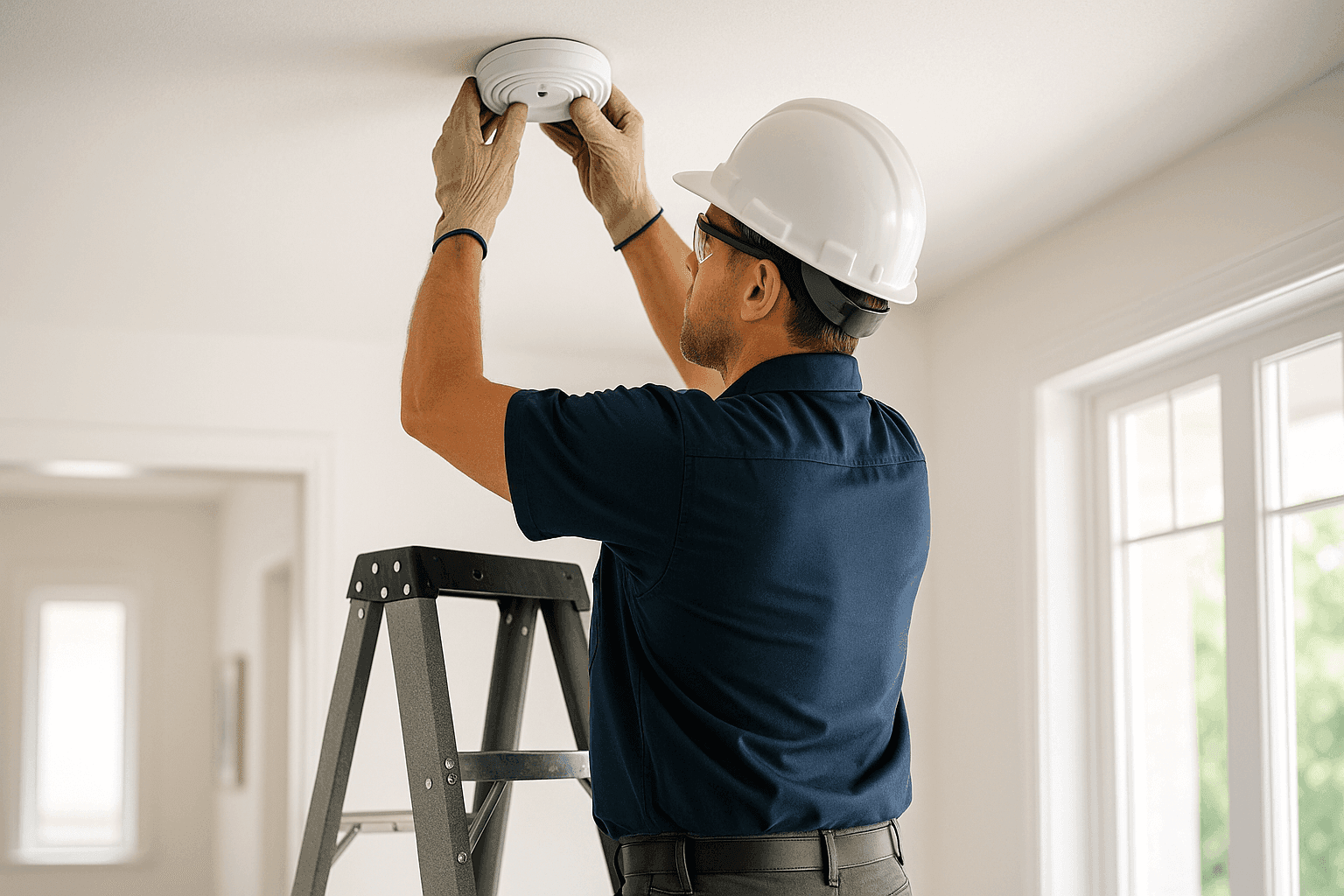
When it comes to your home, every second counts in an emergency. Smoke and carbon monoxide can move fast and silently—like shadows slipping under a door. That’s why smoke and carbon monoxide detectors aren’t just gadgets; they’re your silent sentinels, always on guard, ready to shout a warning when you need it most.
At Four Ways Electricians, we’ve seen firsthand how a working detector can mean the difference between a narrow escape and a tragic outcome. If you’re searching for “Smoke & Carbon Monoxide Detectors near you,” or need an emergency electrician, here’s what you absolutely need to know.
Why Detectors Matter
Imagine sleeping soundly while a hidden threat creeps through your home. Smoke from a small kitchen fire can fill a room in less than three minutes, while carbon monoxide—a colorless, odorless gas—can reach dangerous levels before anyone realizes. According to the National Fire Protection Association (NFPA), three out of five home fire deaths occur in homes without working smoke alarms. The CDC reports that over 400 people die in the U.S. each year from accidental CO poisoning.
Detectors aren’t optional. They’re the first line of defense. They buy you precious time to get your family to safety, call the fire department, or reach out to an emergency electrician before things get worse.
Where to Install Smoke & CO Detectors 🏠
Knowing where to place detectors is as important as having them at all. Think of them as lifeguards: they need a clear view and the right vantage point to warn you in time.
Key installation areas:
- Every level of your home (including the basement and attic)
- Inside each bedroom and outside sleeping areas
- Hallways connecting bedrooms
- Near stairways
- In or near garages (especially for CO detectors)
- Kitchens (place smoke detectors at least 10 feet from cooking appliances to reduce false alarms)
For larger homes or those with interconnected systems, professional guidance is critical. An emergency electrician can design a system that covers every corner—no blind spots.
Professional vs. DIY Installation
You might wonder: can I just grab a screwdriver and put these up myself? Sometimes, yes. For basic, battery-operated detectors, many homeowners handle installation themselves. But there are pitfalls:
- Improper placement: Too close to vents, windows, or in dead air spaces reduces effectiveness.
- Wiring errors: For hardwired or interconnected systems, a mistake can leave your home unprotected or cause false alarms.
- Building code compliance: Local rules can be strict and change over time.
A professional—especially an emergency electrician—knows not just how to install, but how to test, position, and program detectors for rapid, reliable alerts. For interconnected systems, or when upgrading during rewiring or renovations, always call in the pros.
Maintenance Schedules: Stay One Step Ahead
Like cars or appliances, detectors need regular care. Ignore them, and it’s like having a guard dog that’s asleep on the job.
How often should you check and maintain?
- Test each detector monthly by pressing the “test” button.
- Replace batteries at least once a year (tip: do it when you change your clocks for daylight saving).
- Clean detectors with a vacuum or soft brush every 6 months to remove dust and debris.
- Check for expiration dates: Most smoke detectors need replacing every 10 years, CO detectors every 5–7 years.
Set reminders. Mark your calendar. Don’t wait for the low-battery chirp—it’s annoying, yes, but it’s also the sound of risk.
When to Replace Devices 🔄
Even the best detectors have a shelf life. Over time, sensors can become less sensitive, and batteries degrade. The U.S. Fire Administration (USFA) recommends:
- Smoke detectors: Replace every 10 years, even if they still “beep” when tested.
- CO detectors: Replace every 5–7 years, depending on the model.
If you’re unsure how old your devices are, check the manufacture date printed on the unit’s back. If you can’t find it, it’s time for a new one.
Practical Tips for Testing and Battery Replacement
- Testing: Hold the test button until the alarm sounds. No sound? Replace batteries first. Still silent? Replace the unit.
- Battery swap: Use high-quality, long-life batteries. Avoid mixed brands or old batteries from the junk drawer.
- Interpreting alarms: Continuous beeping means smoke or CO is detected—get out and call for help. Intermittent chirps usually mean low battery or a malfunction.
- Avoid painting or covering detectors—it blocks sensors and muffles alarms.
Interconnected Systems: Why Go Pro?
Modern homes often use interconnected detectors. When one sounds, they all do—so everyone hears the warning, even in the basement or far bedroom. But these setups require specialized wiring and programming.
Professional installation ensures:
- Code compliance with the latest safety standards (NFPA 72, local building codes)
- No false alarms due to poor wiring or placement
- Backup power so detectors keep working during outages
For households with children, elderly relatives, or anyone with hearing loss, pros can install strobe lights or vibrating alerts for extra protection.
Best Practices Backed by Industry Leaders ⚡
The National Fire Protection Association, U.S. Fire Administration, and Consumer Product Safety Commission all agree on core safety practices:
- Install both smoke and CO detectors on every level of your home.
- Test monthly, replace batteries yearly, and change devices before expiration.
- Never ignore an alarm. Treat every signal as a genuine emergency.
What to Do if Your Alarm Goes Off
- Stay calm. Don’t waste time searching for the source.
- Evacuate immediately and get everyone outside.
- Call 911 and your emergency electrician if you suspect a wiring or appliance issue.
- Don’t re-enter until authorities say it’s safe.
FAQs
How can I tell if my smoke or CO detector is too old?
Check the back for a manufacture date. If it’s past 10 years for smoke, or 7 years for CO, replace it.
Are combination smoke/CO detectors reliable?
Yes, if they are UL-listed and installed correctly in the right locations.
What if I have high ceilings or an unusual layout?
Consult an emergency electrician. Specialized detectors or extra units may be needed.
Do detectors work during a power outage?
Battery-operated and hardwired detectors with battery backup will continue to protect you.
Local and Seasonal Considerations
Different climates and home types may affect detector performance. For example, in humid areas, steam from showers can trigger false alarms—install detectors just outside, not inside, bathrooms. In older homes, wiring may not support interconnected systems without upgrades.
Cold winters mean more heater use and higher CO risk, while wildfire seasons increase smoke dangers. Schedule regular safety checks with a local emergency electrician to stay protected year-round.
Staying safe isn’t a one-time job—it’s ongoing. Don’t wait until a chirp or a crisis. If you need installation, maintenance, or urgent help with your smoke & carbon monoxide detectors near you, Four Ways Electricians is here 24/7.
Call Four Ways Electricians now — or reach us anytime at 888-807-8388 .