Electrical Safety Checklist for Every Homeowner
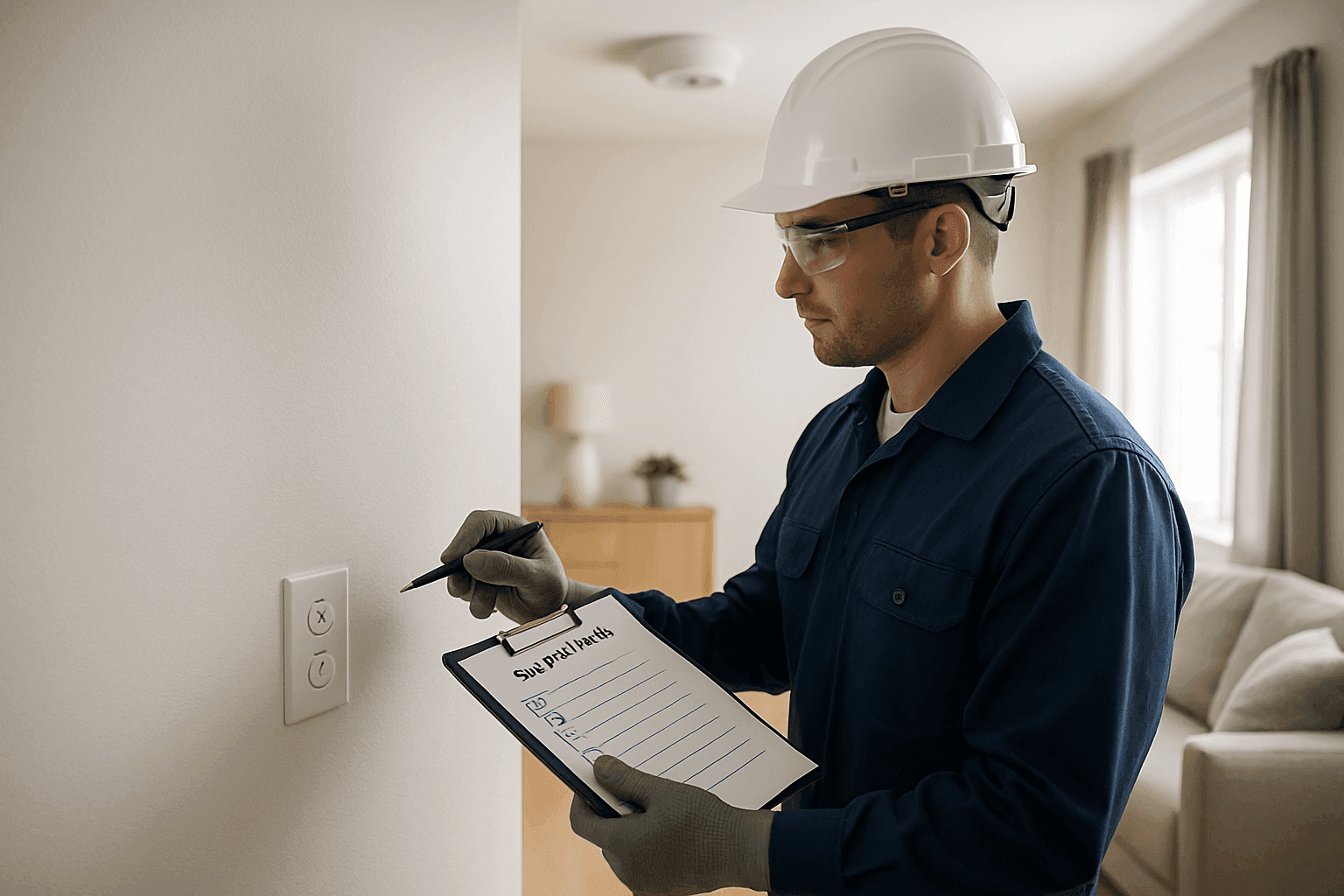
Every home runs on electricity. It’s easy to forget how much we rely on safe wiring, working outlets, and reliable detectors—until something goes wrong. A single spark or a missed hazard can flip your world upside down in seconds.
At Four Ways Electricians, we’ve seen firsthand how small oversights can become big emergencies. This guide is here to help you spot risks before they become dangers, keep your family safe, and know when to call an emergency electrician.
Identifying Electrical Risks in Every Room ⚡
Each room in your home has its own electrical heartbeat. Some risks are obvious—others hide in plain sight.
Kitchen
- Check outlets near sinks: Are they GFCI protected? Water and electricity are a dangerous mix.
- Appliance cords: Frayed or pinched cords can quickly overheat.
- Microwave and toaster placement: Are they away from the sink and stove?
- Smoke & Carbon Monoxide Detectors near you: Test monthly, replace batteries every 6–12 months.
- Lighting fixtures: Use bulbs with the recommended wattage to avoid overheating.
Bathroom
- GFCI outlets: Should trip instantly if there’s a surge or moisture.
- Ventilation fans: Dust buildup can be a fire risk.
- Hair dryer & straightener use: Never leave plugged in near water.
Bedrooms
- Check outlets and switches: Warm to the touch? That’s a red flag.
- Extension cords: Don’t run under rugs or beds.
- Nightlights and chargers: Replace if cracked or sparking.
Garage & Workshop
- High-voltage tools: Should plug directly into wall outlets, not extension cords.
- Wiring & circuits: Exposed wires are dangerous, especially in damp garages.
- Generators: Keep outside—never operate inside, even with the door open.
Outdoor Spaces
- Outdoor lighting: Should be rated for exterior use.
- Pool & Spa electrical: Regular checks for exposed wires and proper grounding.
- Extension cords: Use only weather-resistant, heavy-duty types outdoors.
Quick Safety Checklist for Every Home
Stay ahead of hazards with these quick checks:
- Test smoke & carbon monoxide detectors monthly.
- Look for loose or damaged outlets and switches.
- Replace frayed cords—never tape them.
- Use surge protection for computers and entertainment centers.
- Unplug small appliances when not in use.
- Check for tripped breakers or frequent blown fuses.
- Inspect outdoor outlets for weatherproof covers.
- Confirm your main electrical panel is accessible and labeled.
- Schedule an emergency electrician if you notice burning smells, buzzing panels, or flickering lights.
Childproofing Your Home’s Electricity
Kids are curious—and outlets are just their size. Here’s how to keep little hands safe:
- Install tamper-resistant outlet covers.
- Move cords out of reach or secure with cord shorteners.
- Avoid leaving cords dangling from tables or counters.
- Teach kids not to touch outlets or electrical panels.
Seasonal Electrical Safety: Storms & Holidays
Spring storms, winter freezes, and holiday lights all bring unique risks.
During storms:
- Unplug electronics to protect from lightning surges.
- Use backup generators safely—never indoors.
- Check that outdoor outlets are sealed against rain.
Holidays:
- Inspect all light strings for worn wires.
- Don’t overload outlets with too many decorations.
- Turn off displays before bed or leaving home.
The National Fire Protection Association warns most electrical fires start in winter, often from overused heaters or faulty decorations.
When to Schedule Professional Inspections
Routine checks by a licensed electrician are your home’s annual health checkup. Here’s when to book one:
- Buying or selling a house.
- After major renovations or new appliance installations.
- Every 3–5 years for homes over 15 years old.
- If you notice flickering lights, repeated breaker trips, or outlets that spark.
A professional will test outlets, inspect your panel, check for outdated wiring, and make sure everything meets the National Electrical Code (NEC).
DIY vs. Call a Pro
Some fixes are safe to handle yourself—others need a trained hand.
DIY-friendly:
- Replacing batteries in detectors.
- Resetting a tripped breaker.
- Swapping out lightbulbs.
Call a pro for:
- Installing or repairing wiring.
- Adding circuits or new outlets.
- Troubleshooting persistent electrical problems.
- Upgrading panels or installing EV chargers.
Electricity is powerful, not forgiving. If in doubt, call an emergency electrician.
What Pros Do On Arrival
When Four Ways Electricians arrives, we:
- Listen to your concerns and symptoms.
- Inspect outlets, switches, and panels with diagnostic tools.
- Test smoke & carbon monoxide detectors.
- Check for code compliance and hidden risks.
- Advise on repairs, upgrades, or additional safety devices.
We work according to standards set by the NEC and follow recommendations from the Electrical Safety Foundation International.
Prevention & Maintenance
An ounce of prevention is worth more than a pound of repairs.
- Schedule regular safety inspections.
- Replace aging smoke & carbon monoxide detectors (typically every 7–10 years).
- Install surge protection for sensitive electronics.
- Upgrade old wiring in historic or remodeled homes.
- Keep your electrical panel clear of clutter for quick access in emergencies.
Costs & Time Factors
Electrical safety is an investment in your peace of mind. Costs and timing depend on the work needed:
- Inspections: Usually take 1–2 hours.
- Small repairs (outlets, switches): Often completed in under an hour.
- Larger projects (rewiring, panel upgrades): May take a day or more.
- Emergency electrician visits: Prioritized for urgent risks—expect prompt, focused service.
Factors like home size, age, and complexity all play a part. We’ll always explain what’s involved before starting.
When It’s an Emergency
Some problems just can’t wait. Call an emergency electrician if:
- You smell burning or see smoke from outlets or panels.
- Lights flicker and dim repeatedly.
- Outlets spark, buzz, or feel hot.
- Circuit breakers trip and won’t reset.
- You lose power to critical systems (heating, medical equipment).
Never try to fix these issues yourself. Your safety comes first.
FAQ
Q: How often should I test my smoke & carbon monoxide detectors?
A: Once a month for testing; replace batteries every 6–12 months.
Q: Is it safe to use extension cords for permanent wiring?
A: No. Extension cords are for temporary use only. Permanent wiring should be installed by a licensed electrician.
Q: What’s a GFCI outlet and why do I need them?
A: Ground Fault Circuit Interrupters shut off power if they sense a dangerous surge—critical near water sources (kitchens, bathrooms, outdoors).
Q: Do surge protectors really help?
A: Yes. They shield sensitive electronics from voltage spikes, especially during storms.
Local & Seasonal Considerations
Every neighborhood has its quirks—older homes, frequent storms, or high humidity. Adjust your safety routine for:
- Older homes: Watch for outdated wiring or ungrounded outlets.
- Humid climates: Moisture increases risk—use GFCIs and check for rust in panels.
- Storm-prone areas: Install whole-home surge protection and backup generators.
The U.S. Consumer Product Safety Commission recommends regular safety checks and upgrades to meet evolving standards.
Electrical safety isn’t just about avoiding blackouts. It’s about peace of mind for you and your loved ones. If you spot any warning signs—or just want a professional to walk through your home’s systems—help is always nearby.
Call Four Ways Electricians now — or reach us anytime at 888-807-8388 .